
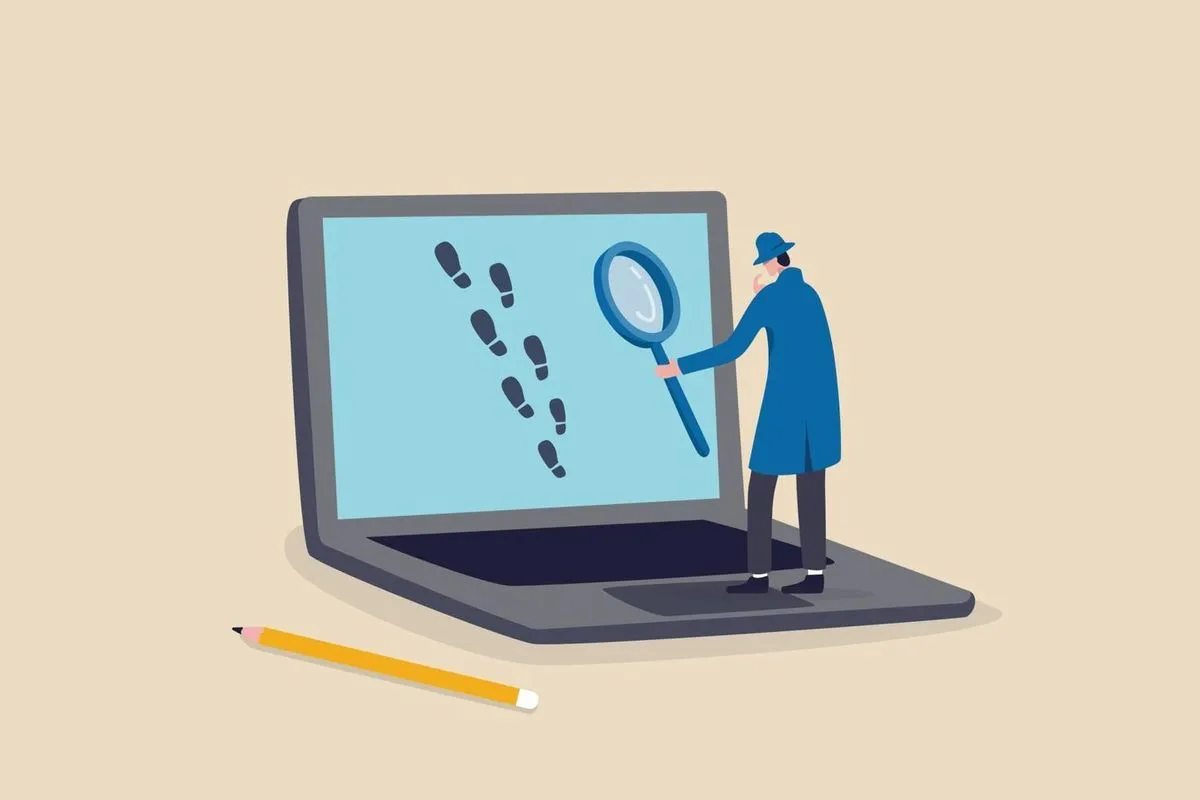
Think about the last article you opened. You tapped a headline, the page loaded, maybe a banner ad blinked into view. Simple, right? Behind that ordinary moment, something far less innocent happened. In the fraction of a second before the page finished drawing, your identity was packaged up and sold to the highest bidder — and to a crowd of bidders who lost, too.
This piece breaks down how Real-Time Bidding quietly leaks your data, why your privacy settings can't keep up, and what actually shuts the auction down before it starts.
The Invisible Marketplace
Most people picture a clean, two-way connection: your browser asks a website for a page, and the website sends it back. That mental model is wildly out of date.
The instant a page begins loading, your digital identity gets pushed into a frantic, invisible marketplace called Real-Time Bidding, or RTB. Throughout 2026, privacy advocates and regulators have singled it out as one of the largest and least-governed data-sharing engines on the web. The auction for the ad slot on your screen opens and closes in milliseconds — and you are the product on the block.
Here's the uncomfortable part: this isn't a fringe practice or a shady corner of the internet. It's the default plumbing behind a huge share of the ads you see on mainstream news sites, weather apps, and shopping pages you visit every day.
The Bidstream Data Broadcast
So what actually gets auctioned? Not just "an ad slot." You.
When a page loads, the site's advertising software fires off a bid request to find out which company will pay to reach you. To make you worth bidding on, that request comes stuffed with a detailed dossier known as bidstream data. A single request can include:
- Your exact device model and operating system
- Your IP address
- Your precise GPS location coordinates
- A profile of your recent browsing history and inferred interests
Now consider where that dossier travels. It isn't whispered to one trusted partner. It's broadcast simultaneously to dozens — sometimes hundreds — of data brokers, ad networks, and demand-side platforms scattered across the globe. One page load can mean your location and habits land in front of companies on three different continents before the banner even renders.
The Losers Keep Your Data
The detail that should genuinely unsettle you is what happens after the gavel falls.
Even companies that lose the auction keep a copy of your data for free.
Only one advertiser wins the right to show you a commercial. But winning isn't the point. Every participant in that auction — including everyone who bid and lost — receives a copy of your bidstream data. They paid nothing, displayed nothing, and yet they walk away with your GPS coordinates and browsing trail.
Picture an auction house where one person buys the painting, and the other two hundred attendees are handed a photograph of your home address on the way out. That's the structure here. Hundreds of brokers you've never heard of and never agreed to deal with can collect and store your data, purely because they showed up to bid. Whether you click the ad or scroll right past it changes nothing — the leak already happened.
Why Standard Privacy Settings Fail
If you're thinking, "I reject cookies and tweak my browser settings, so I'm covered," this is the hard truth: those defenses often arrive too late to matter.
The bidstream broadcast happens server-side, in the split second before the page finishes rendering. Cookie banners and consent pop-ups operate on a different timeline entirely — they're still loading while the auction has already concluded and your data is in flight. By the time you'd click "reject," the bid request is long gone.
There's a second problem. Because these brokers technically function as part of the site's revenue infrastructure, basic pop-up blockers often treat the outbound transfer as essential traffic and wave it through. Standard tools were built to hide ads after they appear. RTB leaks your data before anything visible ever shows up. That gap is exactly where outdated defenses fall short, tab after tab.
Sever the Auction Loop with Total Adblock
Stopping this requires a different philosophy: don't hide the result of the auction — help prevent the auction from happening at all.
That's the approach behind Total Adblock. Rather than waiting for a bid to be won and then trying to conceal the resulting banner, it intercepts the initial outbound network requests at the source. By cutting the connection to known supply-side platforms and ad exchanges, Total Adblock helps stop the site from ever generating a bid request in the first place.
The logic is clean and worth sitting with for a second: if the auction never opens, your bidstream data is never assembled. No dossier gets compiled. No GPS coordinates get broadcast. Your personal profile simply stays on your machine, because the mechanism designed to ship it out was shut down before it could fire.
That's the meaningful difference between cosmetic ad-hiding and genuine network-level defense — one cleans up the symptom, the other addresses the cause.
Reclaim Your Digital Sovereignty Today
You shouldn't have to accept a web where your location and daily habits get auctioned to hundreds of strangers every single time a page loads. The good news is that the fix doesn't demand a degree in network engineering or hours buried in privacy menus.
Upgrading your defense is a direct way to help break the Real-Time Bidding loop, keep your bidstream data from being compiled, and lighten your browsing as a bonus — fewer outbound connections mean lighter, faster pages. Total Adblock handles it automatically the moment it's installed, working quietly in the background so the silent auction stops without you lifting a finger.
Stop letting ad networks broadcast your identity to the highest bidder. Take back control of your digital workspace and make the switch today.
